

Common Problems With Mold Damage
Complicated coverage and strict limits
Mold coverage is frequently limited or excluded unless it is tied directly to a covered water loss. Even when covered, the insurer may apply sub-limits that do not match the true cost of safe remediation.
Disputes about where the moisture came from
Insurers often deny mold claims by arguing the moisture was from a slow leak, humidity, ventilation problems, or long-term seepage. If they classify it as gradual, they may deny it completely.
Remediation scope disagreements
Mold can spread behind walls and under floors. Proper remediation often requires containment, air filtration, removal of affected materials, cleaning, and clearance testing. Insurers may undervalue or exclude parts of this process.
Damage to materials, belongings, and indoor air quality concerns
Mold can damage drywall, insulation, flooring, furniture, and personal items. Air quality testing and cleaning are common needs, but insurers may resist paying for testing, replacement of contents, or specialized cleaning.
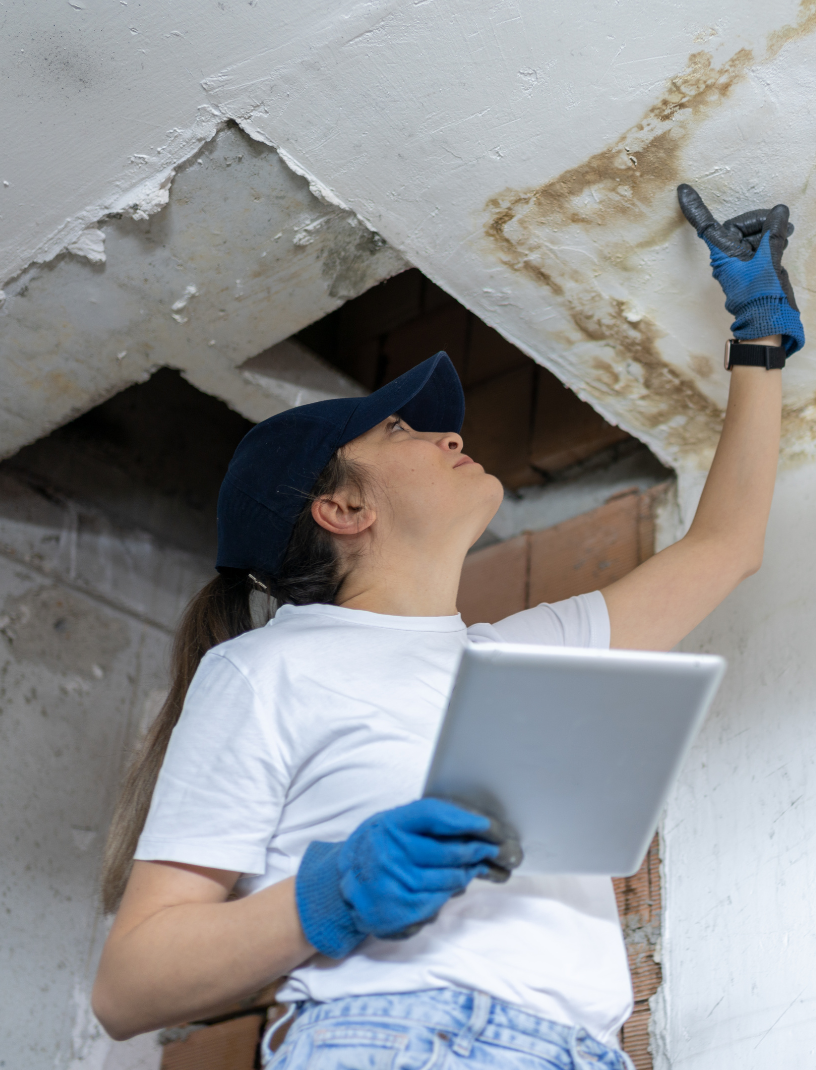
How Naiche Helps With Mold Damage
Mold claims can spiral quickly, and coverage is often limited or complicated. Insurers may question the cause, scope, and even the need for remediation. Here’s how we help maximize what your policy allows:
Coordinate documentation for remediation needs, including affected materials, containment requirements, and cleaning protocols
Investigate and document the moisture source to tie mold growth to a covered water loss when applicable
Negotiate with your insurer to pursue the fullest allowable payout for remediation, repairs, and damaged belongings
Review your policy language to identify coverage options, limits, and any mold-related exclusions
Prepare professional estimates for remediation and rebuilding using current market pricing
Support air quality testing and reporting when necessary to establish the severity and spread
Our Process for Mold Damage
1
Mold Source and Spread Evaluation
We inspect the home to identify the moisture source, the extent of mold growth, and the areas most likely affected behind surfaces.
2
Testing and Remediation Documentation
We document damage to materials and contents, supporting the need for proper remediation steps like containment, cleaning, and clearance verification.
3
Policy-Based Claim Preparation
We prepare a claim aligned with your policy terms, including detailed estimates for remediation and rebuilding using current market rates.
4
Coverage Maximization and Negotiation
We advocate on your behalf, negotiating for payment for remediation, repairs, and personal property losses.
Frequently Asked Questions About Mold Damage
What does proper mold remediation usually include?
Containment, air filtration, removal of affected materials, cleaning, and clearance verification. Skipping steps can lead to regrowth and ongoing air quality issues.
Can mold damage my personal belongings?
Yes. Furniture, clothing, rugs, and stored items can be affected. Insurers may require photos, inventories, and proof of damage to reimburse contents losses.
What determines how a mold claim is assessed?
The source of the moisture is usually the central question, along with the scope of remediation required. Both are matters of documentation. Whether your policy responds is a question for Austin, who will review it with you.
What if the insurer offers a small mold payout that will not cover remediation?
Mold costs often exceed policy sub-limits. Thorough documentation of the remediation actually required supports the claim as presented.
Should I get mold testing done?
Testing can confirm severity and spread, especially for hidden mold. Some insurers resist paying unless the need for testing is well documented.
What are the common reasons for why mold claims get denied?
The source of the moisture is often disputed, and mold sub-limits in many policies are lower than the cost of remediation. Clear documentation of the source and scope addresses both.
What if the mold came from a hidden leak behind a wall?
Hidden leaks can go unnoticed for a long time, which makes documenting the source and the timeline important. Austin will review your policy with you.
How fast can mold spread after water damage?
Quickly. Mold can begin growing within 24-48 hours of water exposure, and drying the property promptly limits secondary damage. Report the loss to your insurer and speak to Austin about your policy's specific requirements.
.png)
Licensed Public Adjusters
Licensed in 10 States
Policyholder Advocates Only