

Common Problems With Ice Dams & Burst Pipes
Pushback that it was preventable or due to upkeep
These claims are often challenged on insulation, ventilation, heating levels or maintenance. Documenting that the event was sudden addresses that argument directly.
Ice dam water intrusion that is hard to trace
Ice dams can force water under roofing materials and into walls. This can create hidden damage in insulation, ceilings, and framing. Insurers may question whether the source is ice dams or a separate roof issue.
Roof collapse and snow load disputes
Heavy snow and ice can cause structural strain or collapse. Insurers may argue pre-existing weaknesses, improper construction, or long-term wear. This can reduce the payout or result in partial coverage.
Interior water damage and mitigation cost challenges
Burst pipes and ice dam leaks often require urgent drying, removal of wet materials, and mold prevention. Insurance companies may dispute whether the mitigation work was necessary, timely, or priced fairly.

How Naiche Helps With Ice Dams & Burst Pipes
Winter losses move fast, and so does the damage. Ice dams and burst pipes often cause widespread interior water intrusion, and these claims are frequently disputed. Here's how we document your claim from the start:
Review mitigation work and drying documentation to support reimbursement and prevent disputes
Document interior damage thoroughly, including flooring, drywall, cabinets, electrical, and personal property
Prepare accurate repair estimates that account for the full scope of restoration and material replacement
Negotiate for fair payment, including covered costs for emergency mitigation and temporary housing when needed
Inspect and document all water intrusion points, including attic, roofline, insulation, and wall cavities
Connect the damage to the covered event and counter arguments about “maintenance” or preventability
Our Process for Ice Dams & Burst Pipes
1
Winter Loss Inspection
We evaluate the source of water intrusion and inspect the full extent of damage, including areas where water travels unnoticed.
2
Moisture and Damage Mapping
We document affected materials and conditions, supporting the claim with clear evidence of ice dam intrusion or burst pipe damage.
3
Claim Preparation & Submission
We prepare a thorough claim with restoration estimates using current pricing, accounting for drying, removal, rebuilding, and any required code compliance.
4
Settlement Advocacy
We represent you in communication with the insurer and negotiate for repairs, mitigation and displacement costs.
Frequently Asked Questions About Ice Dams & Burst Pipes
Can I file a claim if damage was discovered later?
Yes, but report it as soon as it is discovered. Delays can lead to disputes about when the damage occurred or whether it worsened due to inaction.
What issues commonly come up in winter water damage claims?
Heating levels, winterisation, long-term leaks and the speed of the response are all common points of dispute. Each is answerable with documentation.
What if the insurer says the roof or pipe issue is “wear and tear”?
A sudden covered event can still create valid damage even in older homes. Evidence can help separate storm or freeze damage from maintenance issues.
What determines how a burst pipe claim is assessed?
Whether the burst was sudden or developed over time is usually the central question, and it is a question of evidence. We document the source and the resulting damage. Whether your policy responds is a question for Austin.
What damage should I document after a burst pipe or ice dam leak?
Document wet drywall, ceilings, floors, insulation, and personal property. Also document the source area and any emergency mitigation work performed.
What is an ice dam, and why does it cause damage?
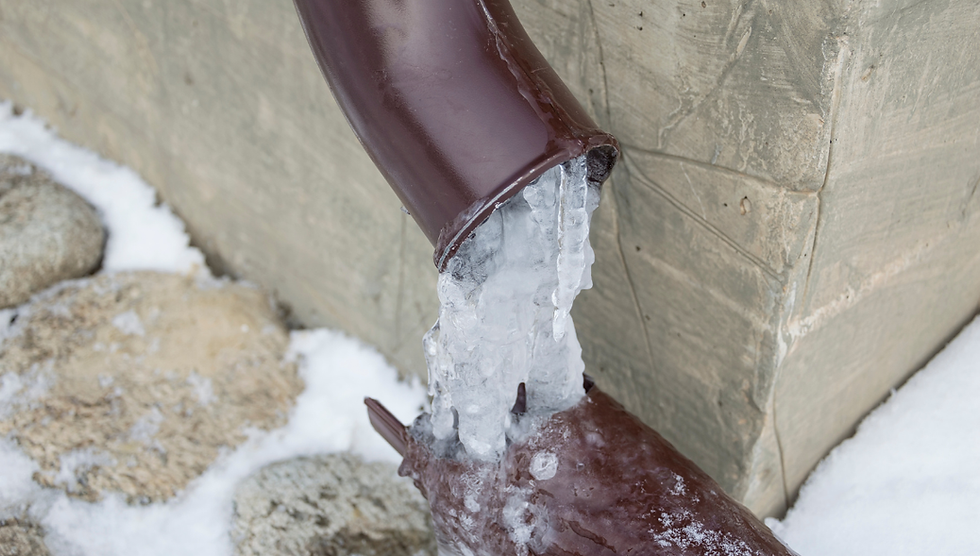
Ice dams form when melted snow refreezes at the roof edge, trapping water that can back up under shingles and leak into ceilings and walls.
What matters most in documenting an ice dam claim?
Establishing where the water entered and how far it travelled. Preventability is a common counter-argument, so documenting the roofline, attic and wall cavities early matters. Austin will review your policy with you.
Do I need professional drying and water mitigation?
In most cases, yes. Proper drying helps prevent mold and structural issues. Insurers may question costs, so photos, invoices, and drying logs are helpful.
Licensed Public Adjusters
Licensed in 10 States
Policyholder Advocates Only